New / Full Moons: New 15th Jun in Gemini Full 29th Jun in Capricorn New 14th Jul in Cancer
On this day in 1934, the world's most famous duck, Donald, made his debut. It was his struggles that made him so appealing. Despite (or maybe because of) his flaws, he was loveable. Today's Venus/Jupiter conjunction brings a joyful, expansive energy which reminds us we don't have to be perfect to be loved. It's an opportunity to be ourselves. Relationships aren't about getting it right - they're about being real. Laughter, warmth, even the occasional misunderstanding bring people together.
If life is a journey... where is the map? Actually, it exists! Secretly, silently, it was issued by the cosmos at the very moment when you first arrived on this planet. If you've never seen your full personal birth chart, it's time you knew what it contained. It's a complete map of the sky as it looked, from your birthplace, at the exact minute you were born. It contains valuable information about your past, your present... and your future potential. It will tell you what makes you unique - and where your greatest opportunities and talents lie. Download yours now. Click here!
Daniel Cainer and Rudy Stardog are back with your JUNE 2026 Astrology Song. Enjoy some spookily accurate suggestions for the month in a musical nutshell from a sausage dog with help from amulti-award-winning songwriter.
If you could keep something forever, what would you choose? It poses an interesting dilemma. Yet the fact that nothing is meant to last isn't a flaw... it's a gift. As Venus conjuncts Jupiter, it brings a beautiful sense of perspective. A current concern might feel significant, but it's more temporary than it seems. So, rather than let it cloud your mood, focus on what brings joy, connection, and meaning today. When you do, you'll see that what matters isn't permanence - it's the richness of the experience you're creating right now.
Want clearer guidance right now? A full chart based on your birth details shows what's ahead. Download your personal Birth Chart today.
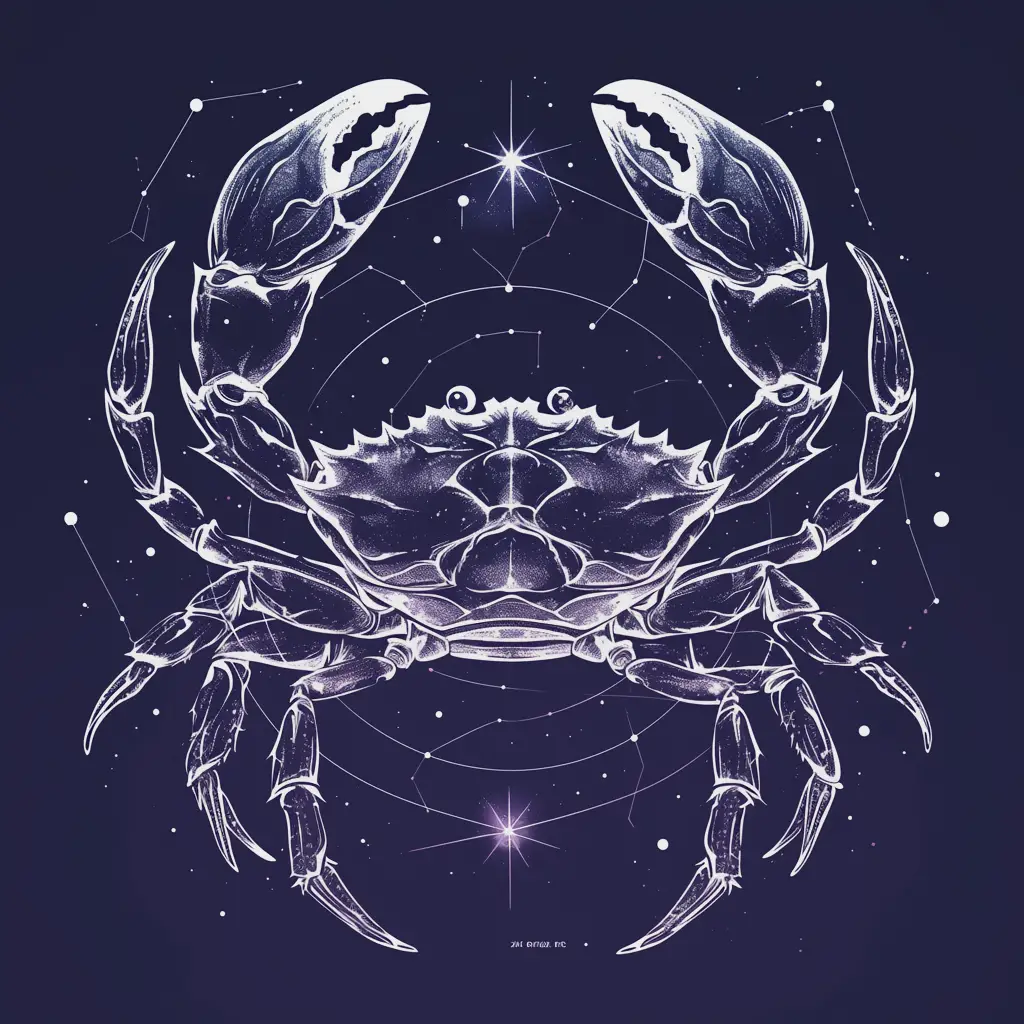
Some puzzles aren't meant to be solved - at least not in the way we expect. You've been dealing with a situation that feels contradictory or hard to pin down. And the more you try to make it fit neatly into place, the more elusive it gets. Yet as your ruler, Venus, conjuncts Jupiter, you don't have to resolve this scenario. What you're perceiving as a problem is something you'll understand over time. Ease the pressure to fix it. In doing so, you'll discover a welcome sense of peace, which leads to an inspiring new possibility.
Your birth chart explains more than today's forecast ever could. See the bigger picture when you get your full Personal Profile.
It's easy to look around and wonder if human beings have ever really made any progress. Yet suppose progress is shaped by individual acts rather than worldwide achievements? The Venus/Jupiter conjunction is amplifying the power of kindness, warmth, and simple human decency. And you embody these qualities. So, don't underestimate the effect you have on the people around you. Every thoughtful word, every considerate action ripples outward. Stay true to that. You're helping to improve the world, one moment at a time.
Ready for proper insight? Your unique birth details reveal your strengths, timing and direction. Access your personalised chart now.
Hope doesn't always (if ever) arrive with a sense of certainty. Usually, it slips in quietly, and we have to trust it before it's proven. If doubt has been whispering in the back of your mind, it's understandable. You've been through a lot. But as Venus conjoins Jupiter, a lift in your mood reminds you that brighter possibilities are real. Look closely at what's already in your world; something familiar holds unexpected promise. Trust that. When you do, your sense of optimism will bounce back. And a more inspiring direction will open up.
There's more to your story than your daily sign. A full chart shows exactly what's influencing you. Get your full birth chart here.
The fact that grand visions take time to take shape, doesn't make them less worthwhile. If your progress has been slower than you'd like, it's a sign that you're investing care, effort, and intention into something meaningful. The Venus/Jupiter conjunction offers a way to find a balance between patience and progress. It's not about lowering your standards. But if you're prepared to make a compromise, things will move forward - without losing quality. What you're building now has the potential to last - and to be deeply satisfying.
Your future makes more sense with context. Your personal chart reveals the patterns behind the present. Download your chart today.
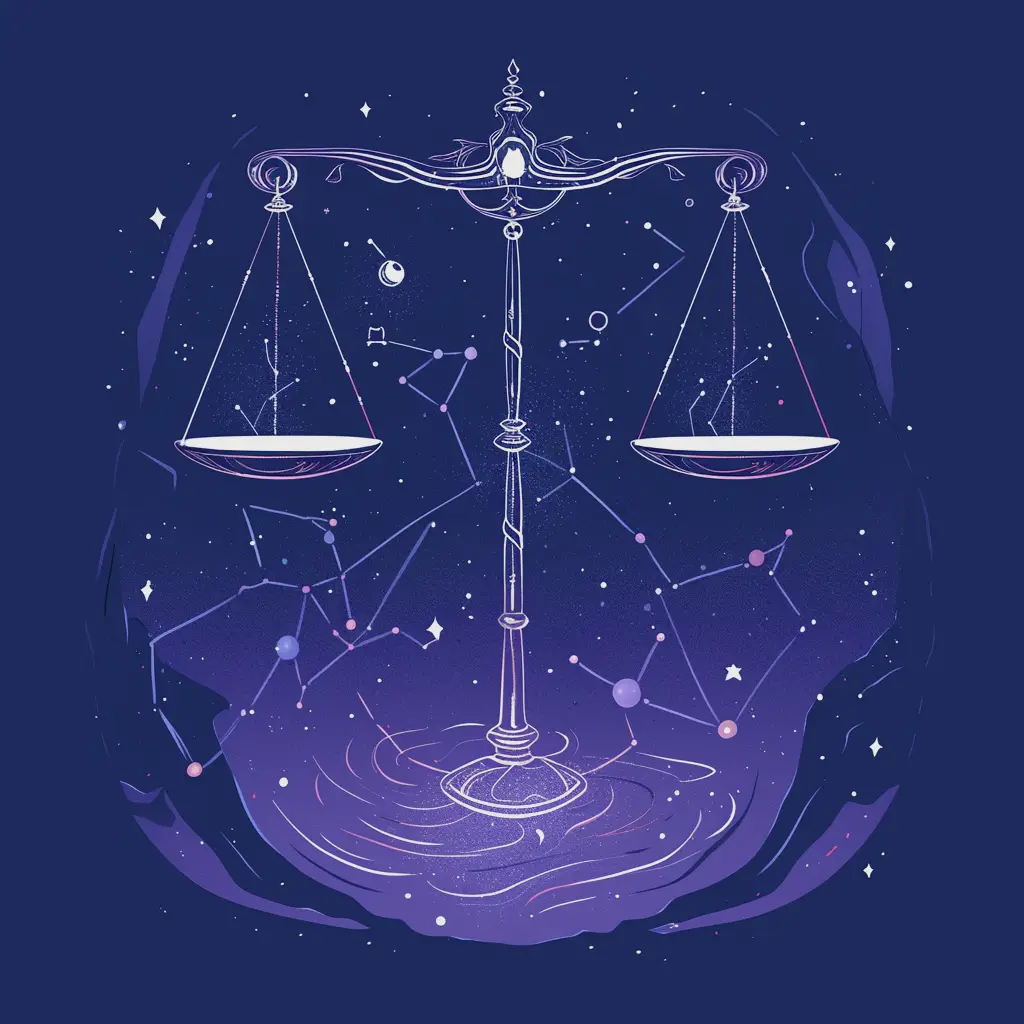
'Tea for two...' The lyrics to this old song epitomise the romantic ideal. Yet today isn't about unrealistic expectations, it's about collaboration and appreciating the value of a meaningful connection. These auspicious skies bring a warm, supportive energy, which encourages cooperation and shared effort. Whether it's love, work, or something in between, magic lies in combining strengths. When you listen, adapt, and work in harmony with someone, something rewarding will begin to take shape. The potential is exciting.
This is only part of the picture. Your complete birth chart shows what's really going on. See your full forecast now.
Why do difficult moments seem to linger, while good ones seem to speed past and quickly fade into the background? Today, as Venus, your ruler, conjuncts Jupiter, the skies encourage you to focus on what you appreciate. What's working well in your world deserves just as much attention as what isn't. And if you consciously notice the positives, a lingering challenge will lose its power. When you choose where to place your attention, you'll restore a sense of harmony. Yay! And that's when life will feel bright and easy. If today resonates, your full chart goes deeper. Discover what's shaping your path. Unlock your Personal Profile.
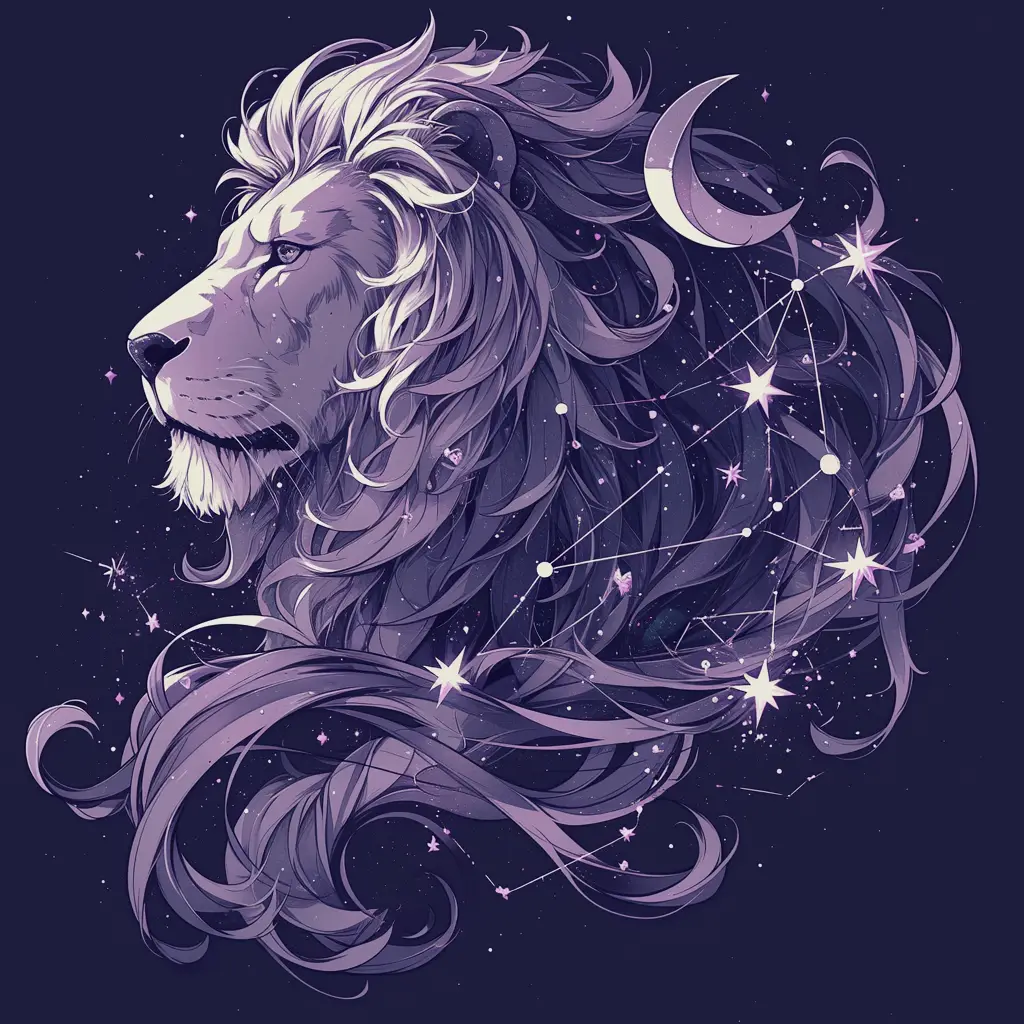
Who do you trust when you need guidance? Today brings a reminder that expertise is about knowing just enough to point the way forward. If you've been weighing up a decision, don't feel you have to figure it all out alone. Under the Venus/Jupiter conjunction, supportive voices are easier to find, and wise advice is close by. The right insight will come from someone with just a bit more experience than you. And once you hear it, you'll recognise it. It's exactly what you need to move ahead with confidence and clarity. Your timing matters. Your birth chart reveals when to act and when to wait. Get your chart today.
These days, when we have to be aware of clickbait headlines and misinformation, it's getting harder and harder to feel clear about what's going on. People are wary. Yet the opposite is also true: truth doesn't lose its power when it's repeated - it's strengthened. Today, as Venus conjoins your ruler, Jupiter, there's a way to speak honestly and kindly. You don't need to dilute what you know to be right; you just need to express it with care. Stay grounded in your integrity. When you do, others will hear (and respect) what you have to say. Are you tired of guessing what's next. Your birth chart gives clear personal guidance. Download yours now.
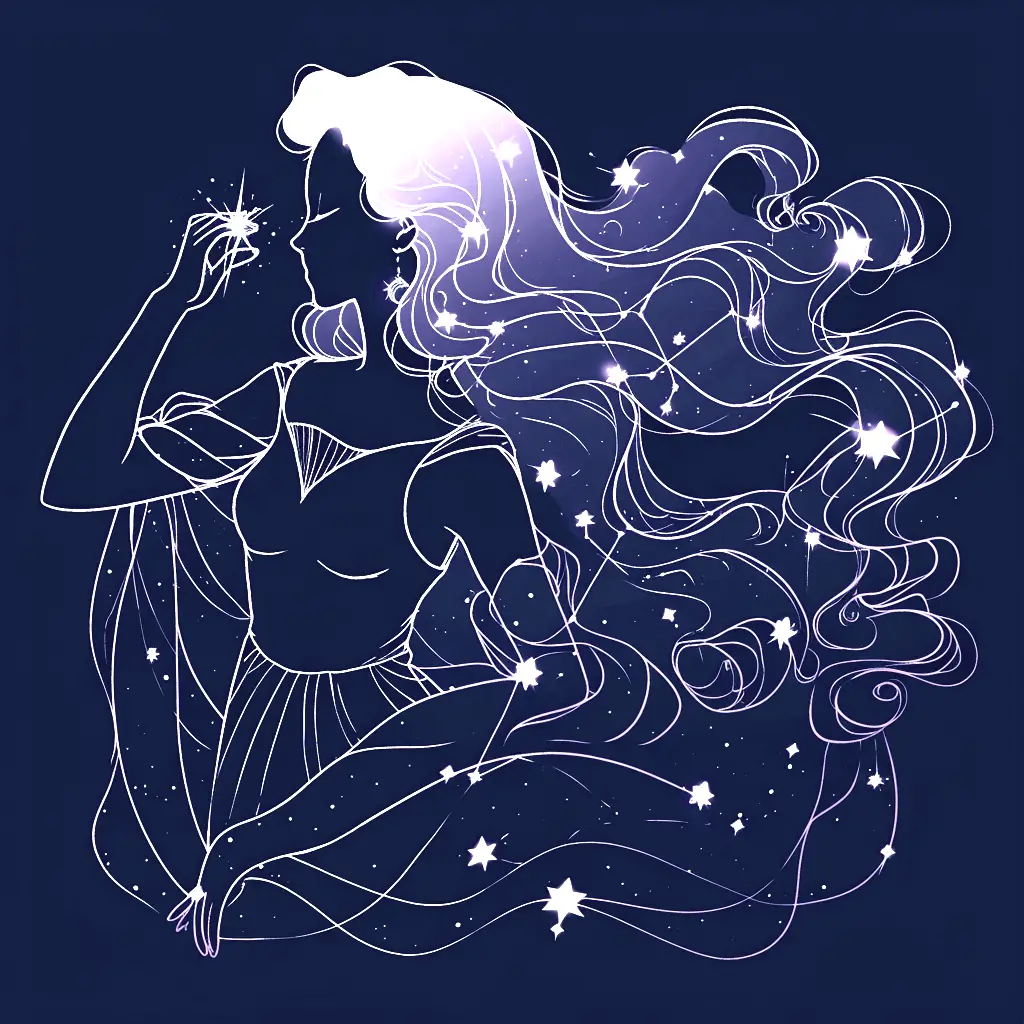
Just because we know that appearances can be deceiving doesn't mean we can't be deceived by the image someone projects. Yet those confident figures have insecurities of their own. You're a wonderful blend of vulnerability and resilience. And as Venus conjuncts Jupiter, it's time to embrace this combo. You don't have to be perfect to be capable. And it's your awareness of both sides that gives you wisdom. By accepting yourself fully, you'll step into your power, and handle whatever comes your way with calm authority. You're more than your Sun sign. Your full chart shows why life feels the way it does. See your full astrological profile.
It might not be a perfect world. But surely, our perspective is influenced by our expectations? After all, when we expect flaws, we find them. And if we look for possibilities, something shifts. The Venus/Jupiter conjunction encourages optimism, connection, and goodwill. So, since your attitude has influence, today, a kind word, a thoughtful gesture, a change in tone all have power. Which means you've got the ability to lift not only your own mood, but someone else's. Choose positivity, and watch it transform what unfolds. A personal chart makes everything clearer. See what's working in your favour. Get your birth chart here.
The trouble with worry is that it has a way of filling every available space. Yet today, you don't have to chase every concern or engage with every unsettling idea. As Venus conjoins your traditional ruler, Jupiter, you're enveloped in a gentle, protective warmth. Good. Step back. Breathe. You'll find it easier to let demands pass by without them pulling you in. Then you'll notice small, reassuring signs that things are steadier than they seem. You're supported. It's safe to release the tension, and allow yourself to relax. Understand yourself properly. Your birth chart explains your patterns and possibilities. Access your chart now.

 Japanese